
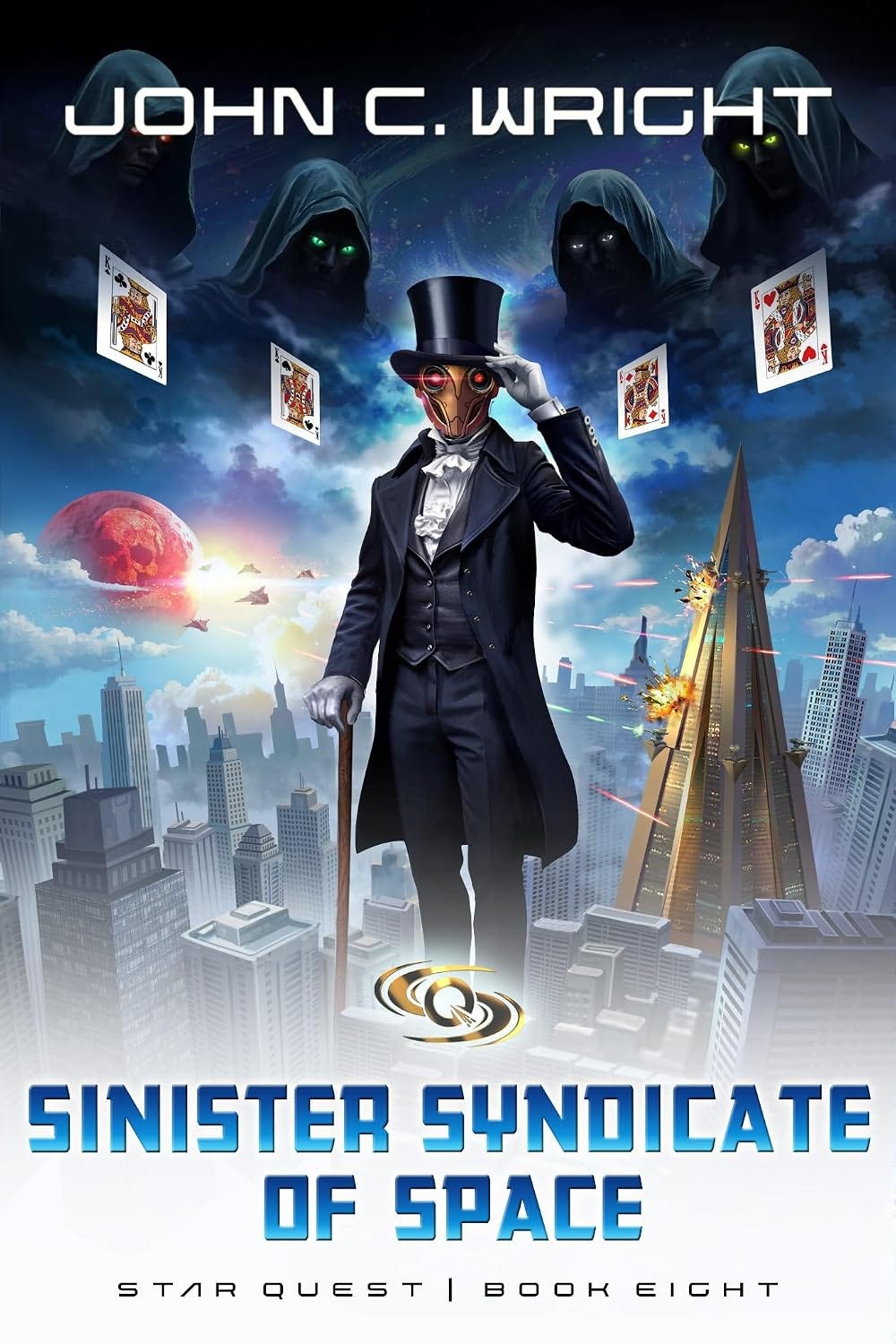
Starquest: Sinister Syndicate of Space, by John C. Wright Wright used to be a more generous author. He’d have a character mention something in passing that a lesser author would have stretched into a five-book series. I can tell he’s stretching the Starquest books, though. This one is a single step in Athos’s career, and a single fun mission to a stolen planet. It’s heavily padded. Instead of focusing on the development of the character, Wright gives us a monologue from each crime lord before he’s killed. There’s a duel with a guy who seems interesting, but we’ve never met the man before, and we don’t know why we should care. He loses quickly and we never hear from him again. There’s a edge-of-the-cliff moment where Athos has to finally choose between loyalty to his comrades and loyalty to the law…and he sails through it without making any decision, because he accidentally puts his foot in his mouth. I wish the author would take more time with these. I’d prefer they come out half as often if they were twice as good. 
The Marsh Arabs by Wilfred Thesiger This is a fun account of the Madan and what life was like for them in the marshes of southern Iraq in the 1950s. A lot of Arab culture - revenge, sex, hatred of pigs - makes sense to me after reading this book. It combines the best of personal memoir and anthropology. 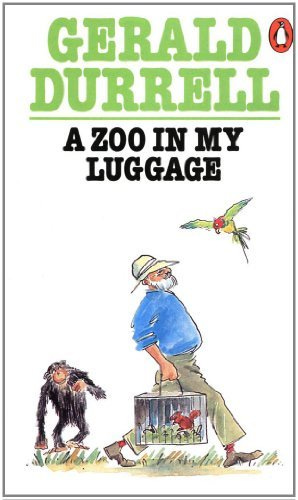
A Zoo in my Luggage by Gerald Durrell A beloved reread. Gerald Durrell goes back to the British Cameroons, this time to collect animals for his own zoo. Its descriptions of wildlife, people, and landscapes are unsurpassed in humor and compassion. 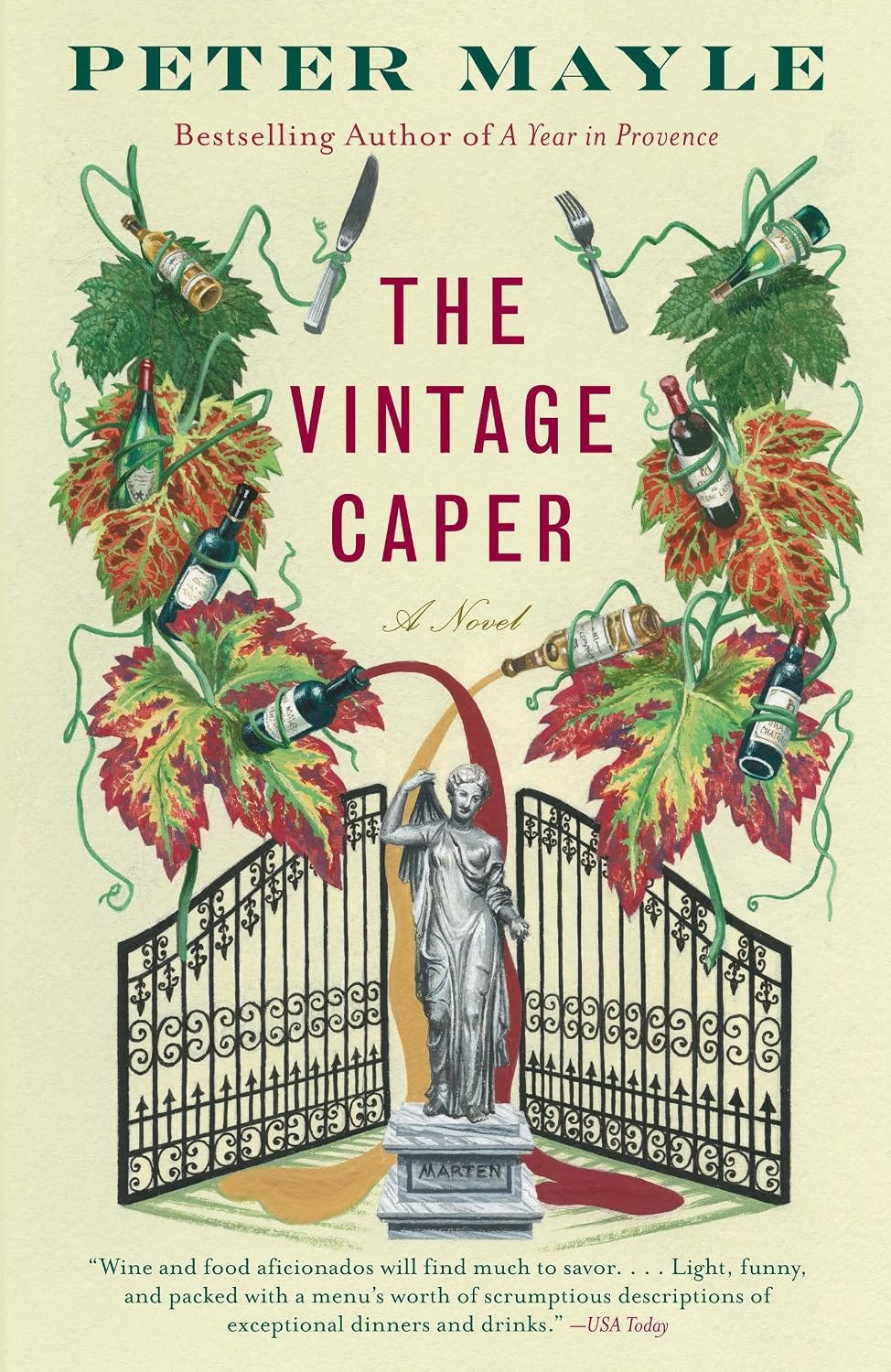
The Vintage Caper, by Peter Mayle This cute little story follows an insurance investigator who sympathizes more with the thief than his client. It had a strange structural problem, though, as the author fought against the romance that kept trying to bloom between the male and female leads. “No, they didn’t kiss! They both were already in relationships.” Come on, dude, be brave. Show us what these two characters really would have done. 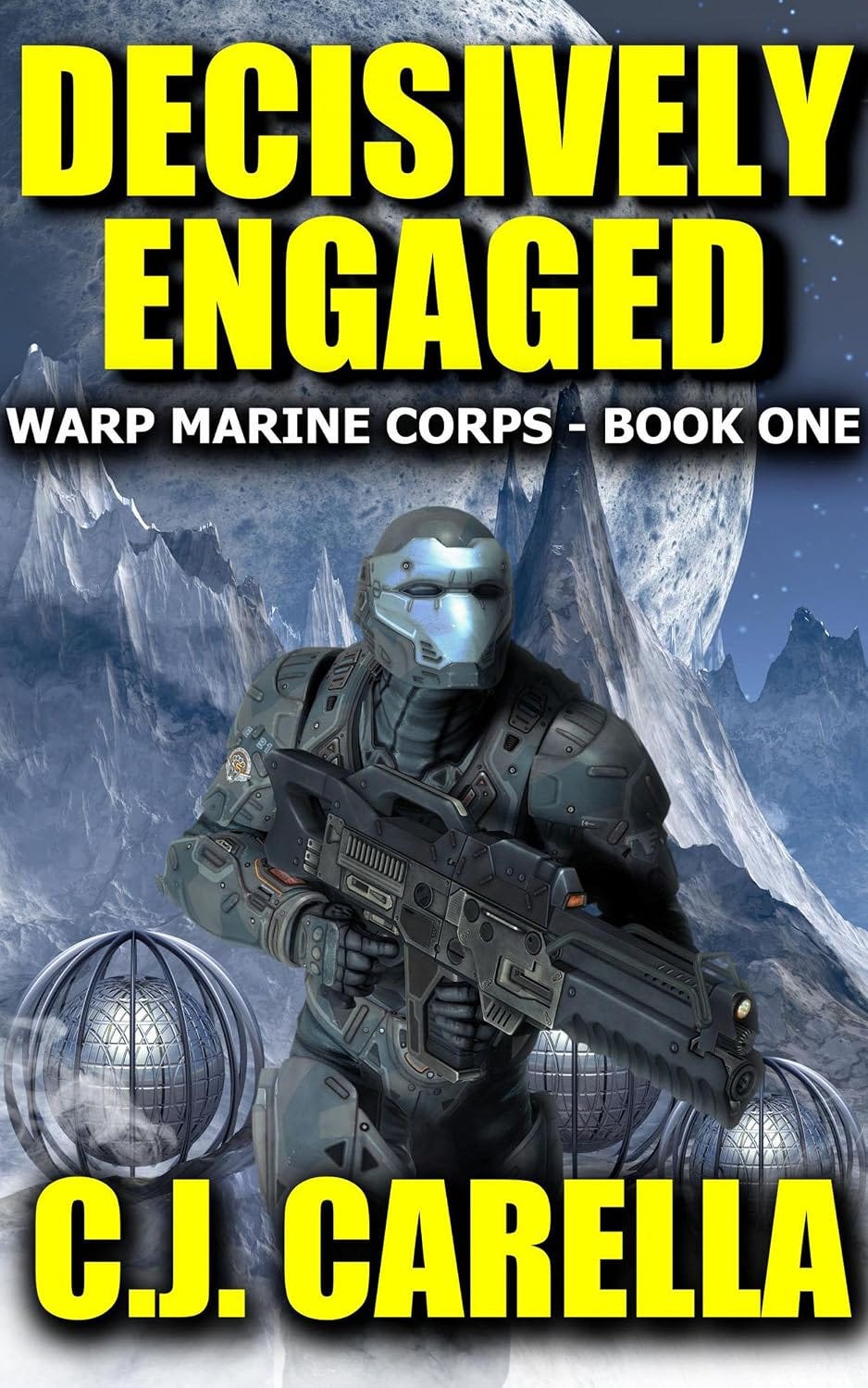
Decisively Engaged by C.J. Carella I bought the whole Warp Marine Corps omnibus audiobook but stopped after finishing book one. Turns out humans are better than any other species at surviving warp space. We can do things like fling soldiers into enemy ships during space combat. Thus, the Warp Marines. Fun! But we don’t get much fun. Rather than pick a story and stick with it, the author pulls us back and forth between the immediate aftermath of first contact and the next big test of the American Interstellar Empire a generation later. We should get either an “abused underdog rises to glory” story or a “complacent champion responds to challenge” story. Instead, we get neither. 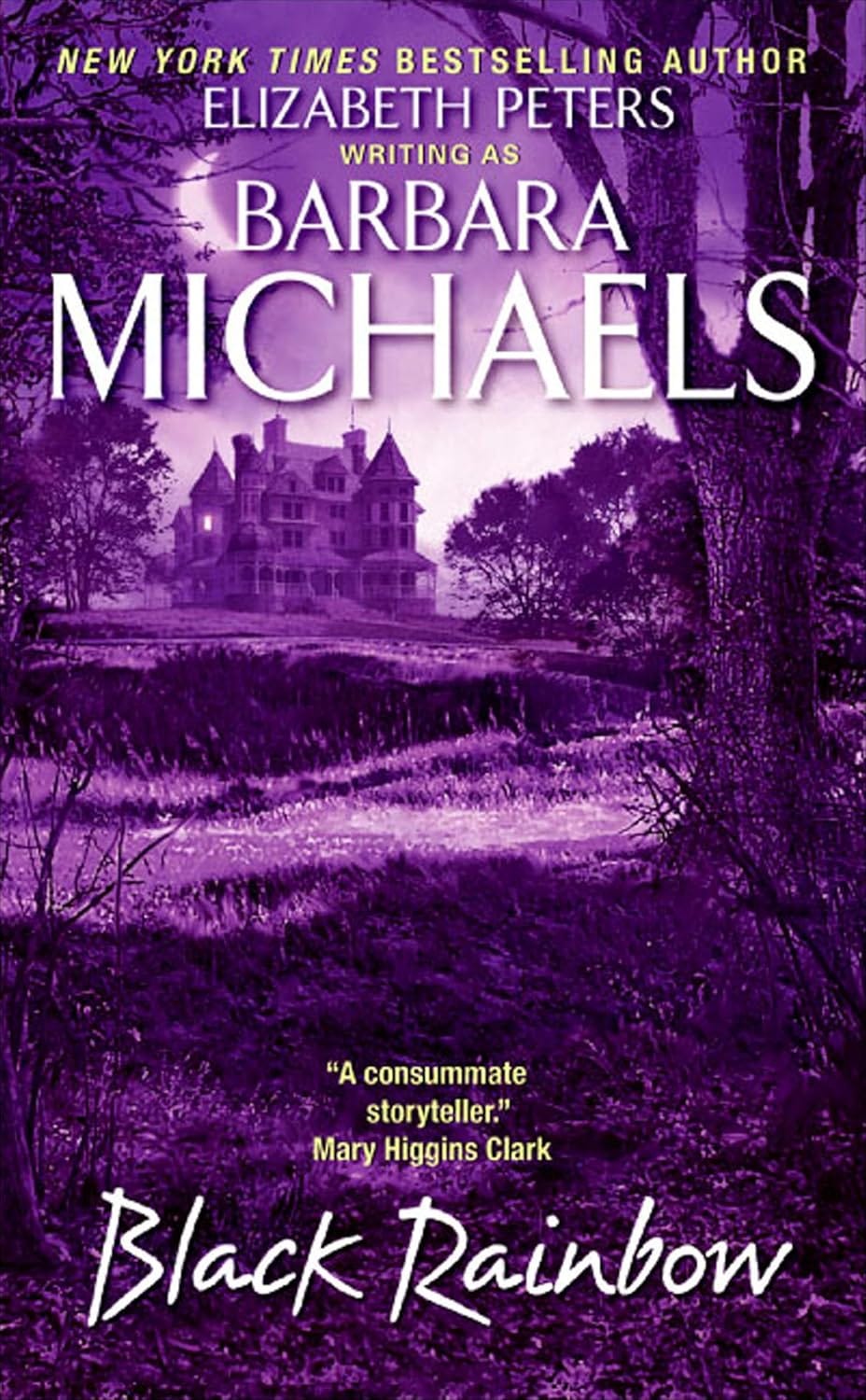
Black Rainbow by Barbara Michaels My wife sold this to me as “Bronte with teeth.” Okay, I see it. Two women in Victorian England orbit around an aristocratic young landlord. Megan is the governess of Lord Greyhaven’s bastard daughter, and Jane is his sister and manager of the woolens mill on his land. The point of view switches back and forth between them as their man’s behavior grows ever worse. There’s a good character study of the villain, but with no mystery element to the story or secrets the bad guy is hiding. He’s fairly up-front about selling out the villagers, prosecuting Jane’s lover, and locking his sister in the attic. The problem is the main characters, who wring their hands and fail to reveal important information to each other. I got sick of watching the women get progressively victimized before they finally decide to do something about it. 
Every Living Thing by James Herriot With this book, Herriot has mostly settled into his veterinary practice, so the spotlight moves to new vet, Calum Buchanan, who is a naturalist at heart and fills the clinic with badgers and herons. I wish I could read about his later adventures in New Guinea. 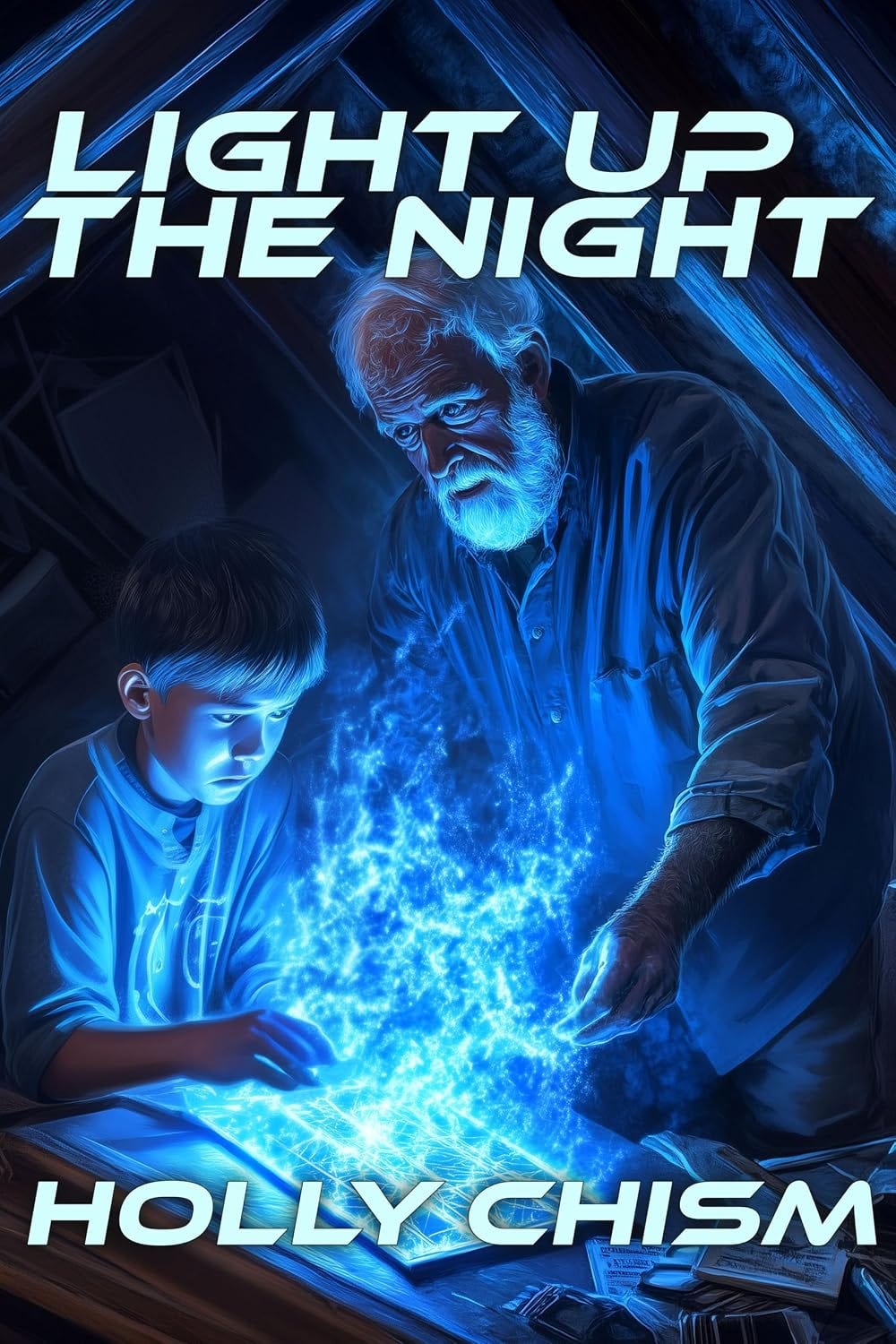
Light Up the Night, by Holly Chism Another based book sale purchase, and it’s only okay. It gets off to a good start with the accidental discovery of cold fusion by a little boy and his grandpa. Now they can build an alternate power network and get out from under the wicked commissars of the state-owned power company, who turn off the juice to punish wrongthink. Meanwhile, the grandmas root spies out of the church group. These elements all sound good, but I got the impression that the author didn’t understand them and wasn’t interested in learning more. She doesn’t know how the college indenture system works, or what makes the villains tick, or why nobody else has discovered you can make a tokamak in your basement. Without digging into those elements, they’re just scenery. I don’t know what’s hard for the characters or what’s at stake, so I’m left feeling nothing when they win. 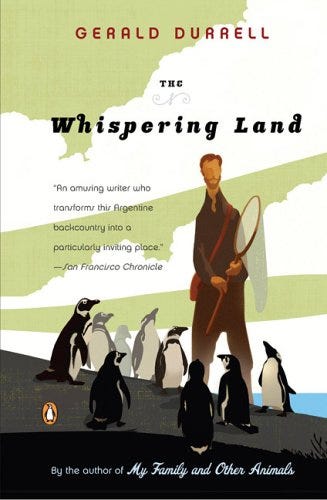
The Whispering Land by Gerald Durrell I’d forgotten most of this one, because South America’s animals are less exciting than Africa’s. I have new appreciation for the people, though. The rural ornithologist, whom nobody understands. The rancher who collects Indian artifacts, and this perfect exchange:
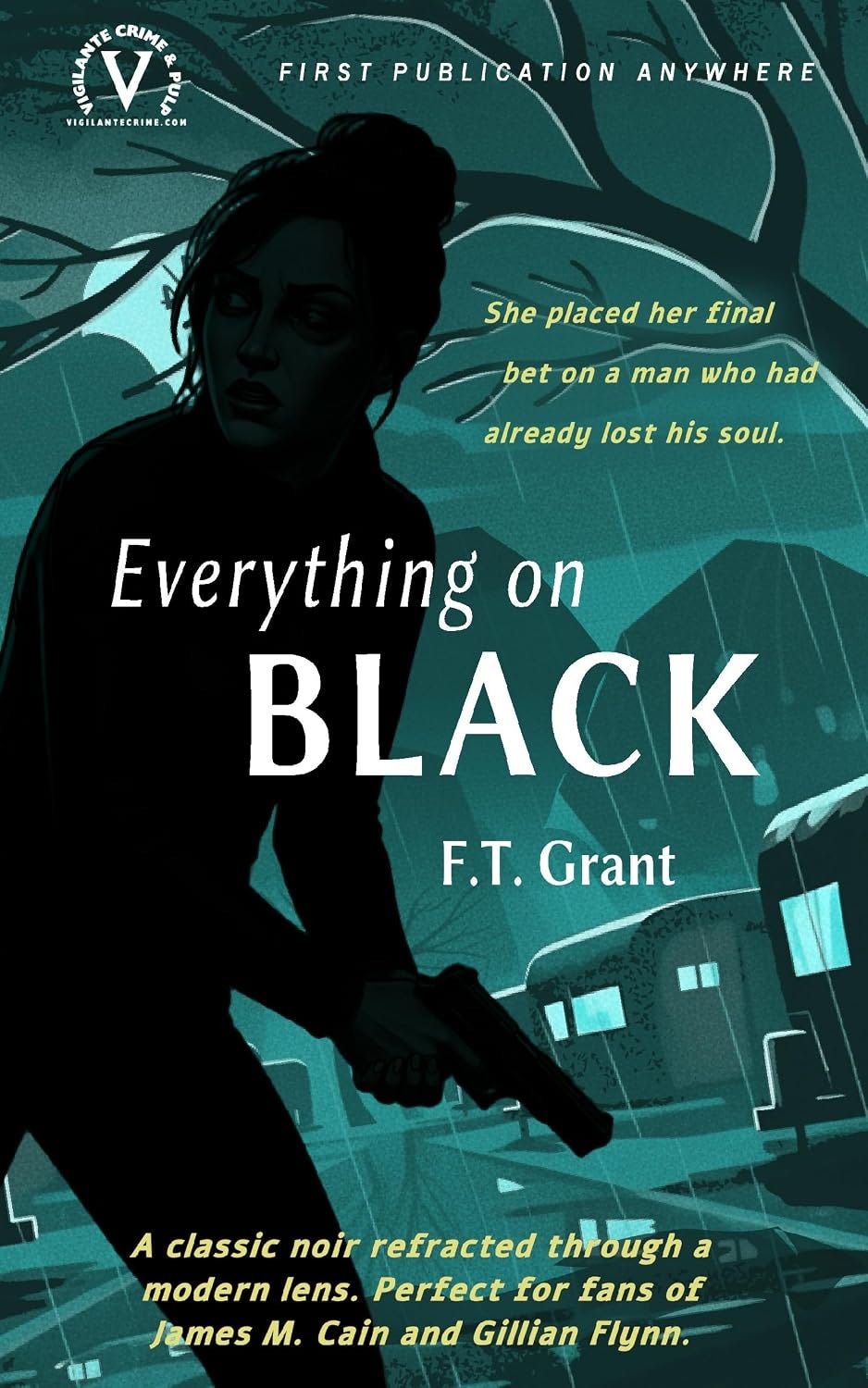
Everything on Black, by F.T. Grant This is a beautifully put together neo-noir about a cop who lets herself get seduced into murder. Halfway through the crime, she realizes she’s about to kill a totally innocent woman, and she goes through with it anyway. That’s just the first couple of chapters. I give a whole review here with The 13th Grade, who is wiser than I. You should listen to it. 
Generations by William Strauss and Neil Howe Published in 1991, Generations includes some entertaining pop-history and hilarious then-current political commentary, but its best feature is the predictions the authors make about the far-off future year of 2020. Were these guys right? Sometimes, yes, scarily, so. This book needs a much more thorough treatment, but for now I’ll focus on Strauss and Howe’s description of the Salem witch trials, as an elder Prophet generation brought the hammer down on adult Nomads for their spiritual attacks on young Artists, while Heroes watched, congratulating themselves on their high morals. Now remember the 2010s, when we had stern elder Boomers, innocent Zoomers, their amoral X-ers abusers, and the Millenials, had so much fun during the #MeToo movement. History rhymes. It’s rhymes, man! I still don’t know whether Strauss and Howe laid down the foundations of the predictive science of history, or whether they discovered astrology but for birth cohorts. 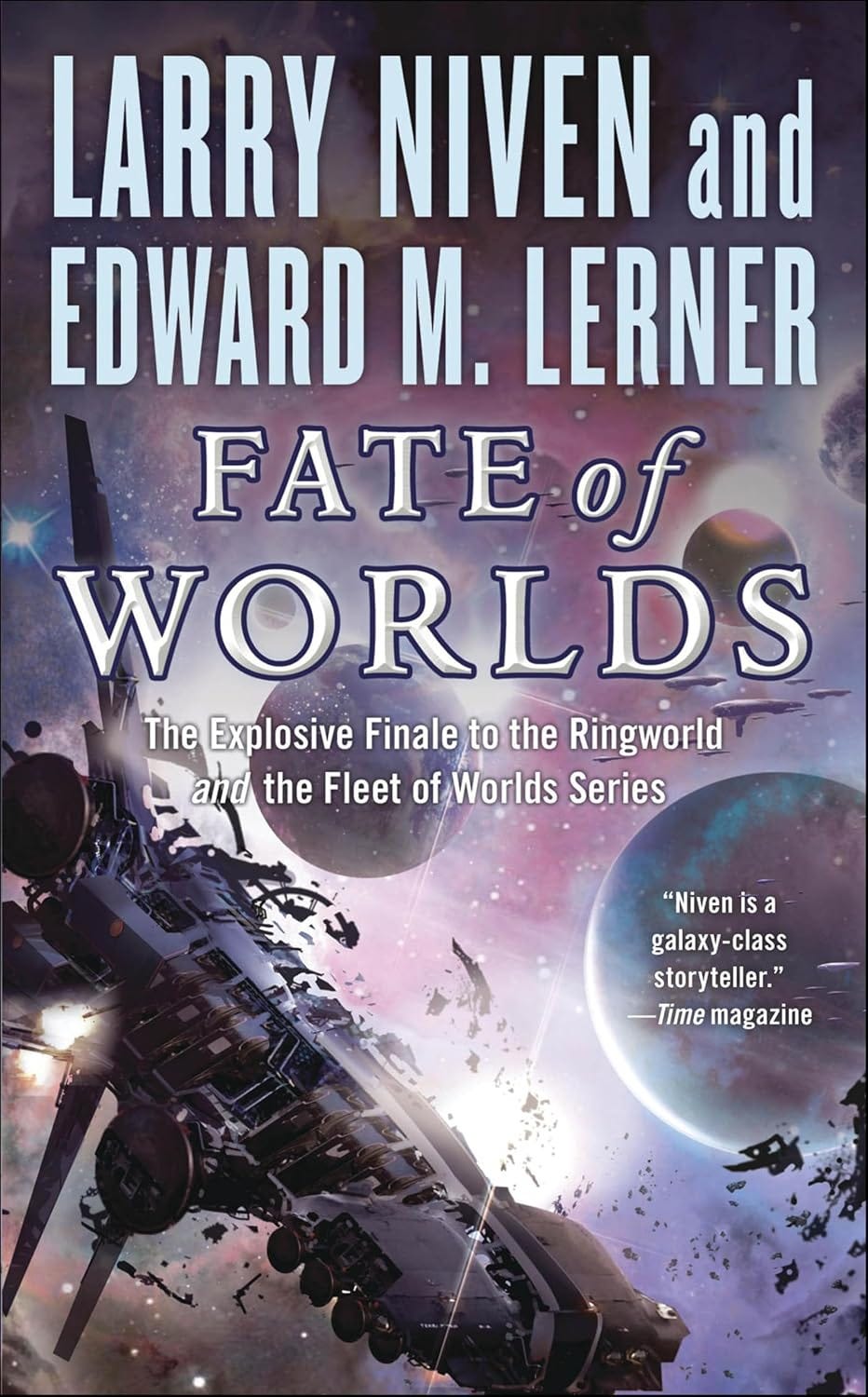
Fate of Worlds by Larry Niven and Edward M. Lerner I would have been more disappointed in this book if I had cared about the Fleet of Worlds. Humans fight a revolutionary war against alien overlords. Humans discover new aliens, who can be super-smart. Even super-er-smart-er-er aliens show up! We discover the Ringworld, remember that one? Other humans find it too. All the aliens are fighting over the Ringworld. The Ringworld vanishes. So much of this series was just, And then what? And then what? With occasionally new aliens introduced to give me a reason to keep reading. This final book in the series didn’t even have any new aliens. And here’s what else I’ve been up to: I’m the Editor of Tortuga Media now, and you can see my fingerprints on its posts. https://www.tortugamedia.net/p/munitions-made-in-shenzhen The 13th Grade , Krug and I did a podcast about Krug’s novel Pornoland, in which I reconsidered some of the mean things I said about it. Do you think my review of your book was too harsh? All you have to do is record a podcast with me to change my mind. I’m a softy. https://www.tortugamedia.net/p/pornoland-by-tyson-james I’ve discovered MAMA magazine, which is consistently excellent. The first thing you should read is The End of Weed Culture. https://theobelisk.substack.com/p/killing-a-guy-1010-would-recommend Possibly fiction? Nevertheless, real. I can’t remember if I’ve recommended Cairo Smith’s Fallujiad before. I’m doing it again:
I’ve been enjoying this guy: https://www.youtube.com/watch?v=uMkLaXCF9gE His illustrations are cute, he’s genuinely interested in the languages and the cultures of the bronze age, and he only rarely indulges in judging them by the standards of a 21st century American Blue-tribe suburbanite. https://www.youtube.com/watch?v=KX4yuMN6pPI Now that’s how you aspirate a stop! See you next month.
0 Comments
So there I was, huddled under the spreading beams in the attic of a Serbian cultural center, drawing. The old men around me did the same, but much, much better. There were airplanes and devils, stubbly tough men, video game characters, a full-sized portrait in acrylics of a knight on horseback. Watching them, I remembered high school, and how I’d wanted to be just like them. I stuck close to my guide, Artyom, who introduced me as “my writer,” and created the top two-thirds of a brigand prince before my eyes. He began with the eyebrows. “Eh?” Then a Salvador Dalí mustache like the hands of a clock at 2:45. “How about this?” A pair of bells hung off the tips of the mustache, an homage to the bad guy from our comic Sharp Eye. “Now what can I do with the mouth?” Some teeth were missing, some overlarge. “A gold tooth,” I said, trying to hold up my end of our relationship. But of course in an ink drawing, you can’t see the color of a tooth. While he drew, Artyom wanted to talk about his workload and income. “If I can do two big projects, I don’t need to be hustling for commissions. I have a video game, and half another video game, and Sharp Eye II will be my other big project.” I didn’t really want to talk about money or scheduling. I wanted to talk about the characters and the trouble they’d gotten themselves into. And all right, what they would look like when they solved those problems. That’s why I do this. Those are the questions that interest me. But I didn’t want to distract Artyom. I wanted to watch while he worked. Some football hooligan came in and shouted that Artyom was a pussy for penciling before inking. It turned out that he was one of the Bulgarian artists. Artyom ignored him. “Now I just have to do something interesting for the important parts.” Artyom leaned in and made a few quick loops with his marker around the eyes. The brigand was a man beginning to go slack, his face pouched like a wineskin just a little more than half drunk. He waved at the shoulders. “And I’ll just put some bullshit over here.” “All right!” It was Marko, a tall, teacherly man with a ponytail, who managed to organize the whole Balkans Festival of Young Comic Creators without letting his manic energy tilt all the way into “crazed.” He was standing at the head of the room and filling it with his voice. “Everybody, there is a documentary film in the theater. It’s very comfortable there, very cool. The film is only forty-five minutes long. So go!” The film showed the history of The Leskovac School of Comics, beginning in 1995 and ending with Marko calling to a playground full of children: “Draw three panels, beginning, middle, and end. It can be about anything. A flower and a bug. Two clouds that made friends with each other.” Marko found me back in the attic and asked if I had everything I needed. I said I’d already gotten my hamburger, and I thanked him for inviting me. He strode off, head on a swivel, putting out more fires and distributing more burgers. The air conditioners blasted into the attic, battling the heat that baked down from the underside of the roof. All of the speakers went overtime. There was a box full of hamburgers. Comic artists from all over Europe drew and drew and drew. I started my own drawing, trying to mimic the top two-thirds of Artyom’s smiling, dangerous man. But I was always more interested in non-humans. I drew some of the species from Fellow Tetrapod: a Quotidian, a Monumental, a Tensor, like a soccer ball with dinosaur arms. Maybe someone would pass behind me and discover me. Artyom clapped me on the back, and I straightened. Looked up at him. “Now draw two clouds making friends,” he said. It was time for our panel discussion. Marko himself joined another comic writer and me to talk about our side of the work, and someone in the audience asked about ethical dilemmas. What if readers were offended by what we wrote? Marko related the story of a comic where he had a tank driver talking about his grandfather who fought for the Nazis in World War Two. His commander asked the driver how he could be proud of such a man. The driver said that his grandfather had fought and died for his country; how could you not be proud of such an ancestor? The commander answered, “In that case, your family will be proud of you. We’re not going to survive the upcoming battle.” That was the most real story I heard during the festival, and it got cut. It was censored out by the publisher. “Thank you.” The audience member pointed at me. “But what do you think?” This is why the youngest member of the panel answers first, people, so they don’t have to follow an act delivered by a master. I could’ve spend my time listening appreciatively, instead of figuring out how the hell I was going to answer. First I said, “I wish I was famous enough that I had this problem. Ha ha.” That was my fear speaking. What if I was discovered? But I did recover: Fear is your compass. If you are afraid of something you’ve written, that means it’s good. And if you’re afraid to write something, that means you write it.1 I think that goes for deeds as well as stories. “Have you met Dimo?” It was our final night in Leskovac, and Marko steered a crop-haired, energetic young man toward me. “He’s from Sofia, too. He’s written a historical comic.” “Well,” said Dimo, “alternate history. In the real world, we lost that battle.” I bought a copy and asked him to sign it for my daughter. He did so, wielding a brush pen taped to a felt-tip marker, which he twirled as he wrote, outlined, and shaded a signature and a cavalry officer with out-thrust saber. “Let’s have coffee,” I told him. I’ll sound him out. See what he'd be like to work with. 1. Paraphrasing Steven Pressfield’s The War of Art. ↩ |
AuthorDaniel M. Bensen Archives
October 2026
Categories
All
|
 RSS Feed