
|
This one’s a doozy. It combines the books I read in both July and August because I didn’t have time to write a book review post while on vacation. Enjoy these books. I did. Most of them. 
Dwellers in the Deep by Fenton Wood Look, dude, if your cover art is of an astronaut orbiting Europa, I’d better see some Jovian action. I put this book down halfway through because I was at the 50% point and the main character had had one cool hallucination and gotten qualified as a saturation diver. After three second chances, I got to the actual story with the aliens living in the deep ocean. They want to go to Europa, see, which means they need to weld together an underwater rocket. Yes, I want to know how the main character got the skills to help the aliens and ended up with them on the abyssal plain, but I needed nowhere near the level of detail I got about the lead-up. I take this book as a cautionary lesson about the use of AI in fiction. According to the author, his initial concept for the cover art was a man in a diving suit above Europa. That would have been a promise and a mystery, but it was easier for the AI to put a space suit in that picture. Likewise, when the author asked Grok about deep-sea diving, he got lots of technical detail, detail that was very easy for him to put into the book, and that I didn’t need. But, in the end, it was worth it. Wood’s scifi has a dreamlike quality around its hard bricks of technical detail, and I can’t find that combination anywhere else. When the divers are working off the coast of Brazil (on an otherwise very boring drilling operation), some giant snaggle-toothed deep-sea fish come and gnaw on their face plates. Wonderful. 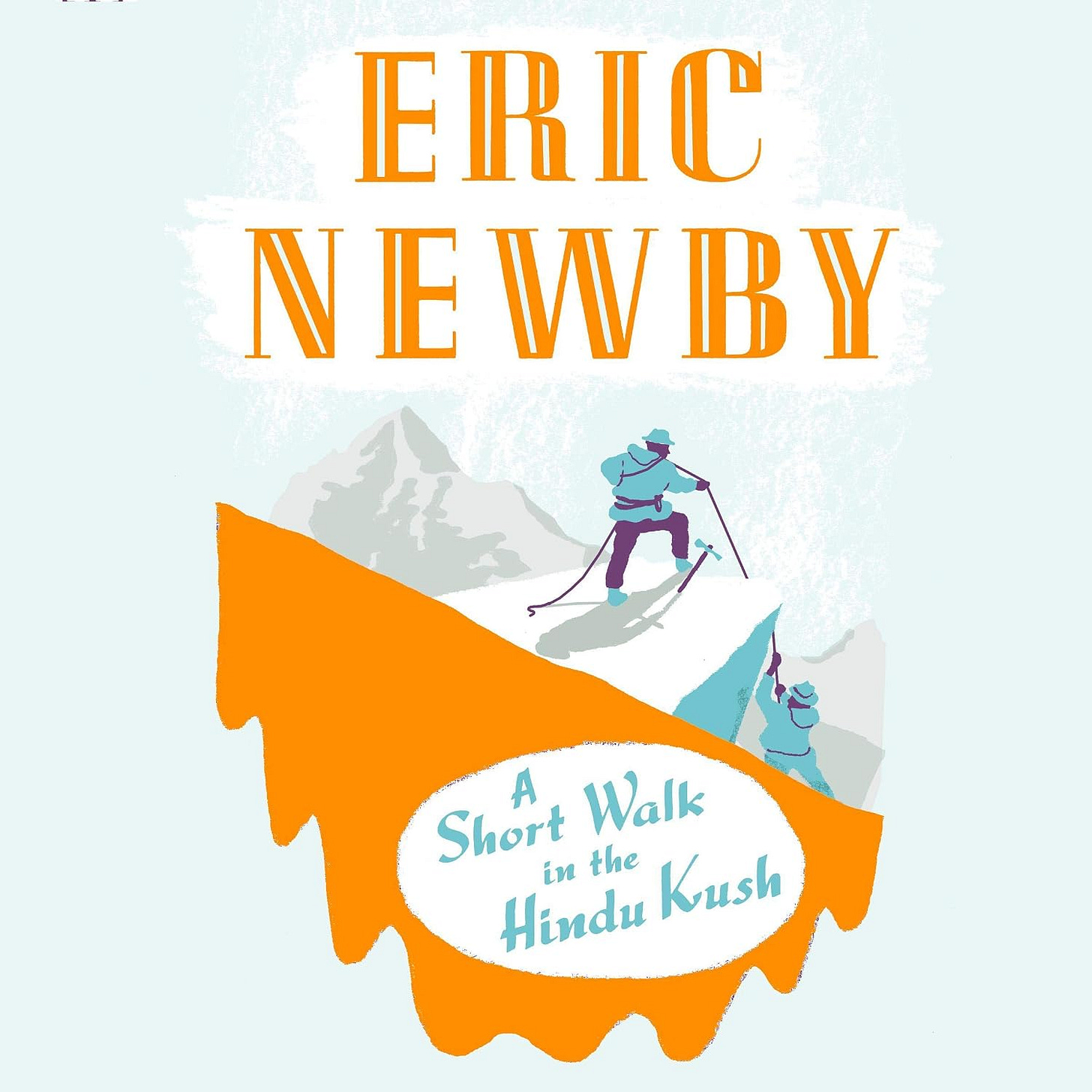
A Short Walk in the Hindu Kush by Eric Newby A British guy wanders the Middle East in the middle of the 20th century. He has some kind of plan to climb Mir Samir, but his boots don’t fit and fill with blood on his first hike. Don’t worry, though: he has plenty of adventures on the way. There’s something calming about other people’s struggles with customs officials. What are those quaint structures the natives build over the stream that we’re drinking out of? Oh, sahib, those are our outhouses. 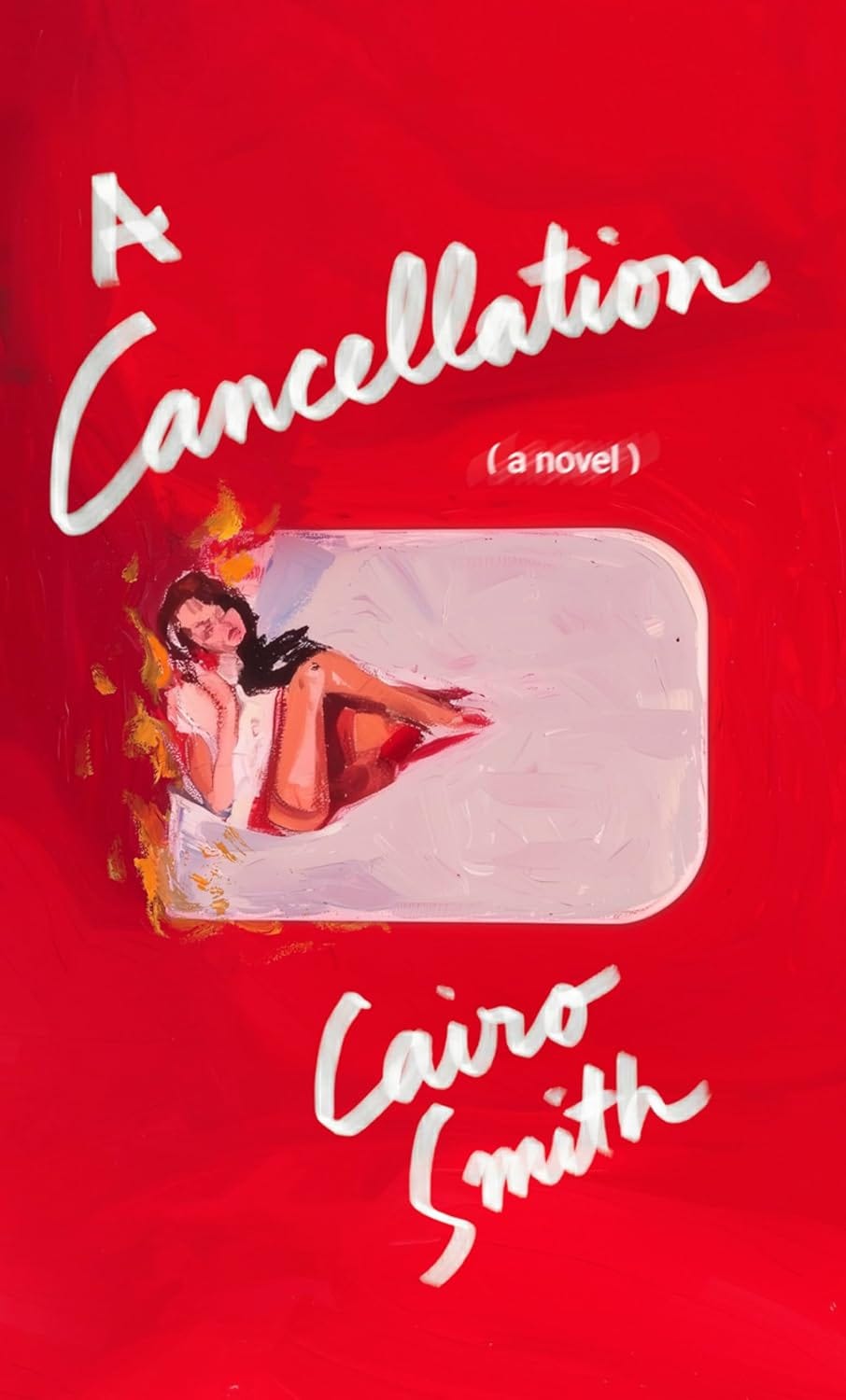
A Cancellation by Cairo Smith This is two-thirds of a great book. We have vivid characters caught in a gripping problem: the perverse demands of the algorithm are warping the life of a YouTube starlet and everyone around her. Amanda Bannington’s got family drama, mystery, and even a murder. She has to do hard technical work with music, acting, and cameras, all of which Smith describes skillfully. Best of all, he captures the feeling of entertainer’s envy, when you see someone and think, Why is she more famous than me? Is she worth using? How? Then maybe he got tired. The cancellation of the title is the climax of the book, and after that there’s nothing much. Where the young men of Current Affairs and Scenebux had to grow up because of their life disasters, Amanda doesn’t seem to have learned anything at all. She vanishes from the last chapter to be replaced by another YouTube woman, ready to repeat the same mistakes. Reading this book is like watching a train wreck. I was gripped. I was compelled to continue. I took a bath just so I could find out what happens to Amanda. But in the end, it’s just wreckage. 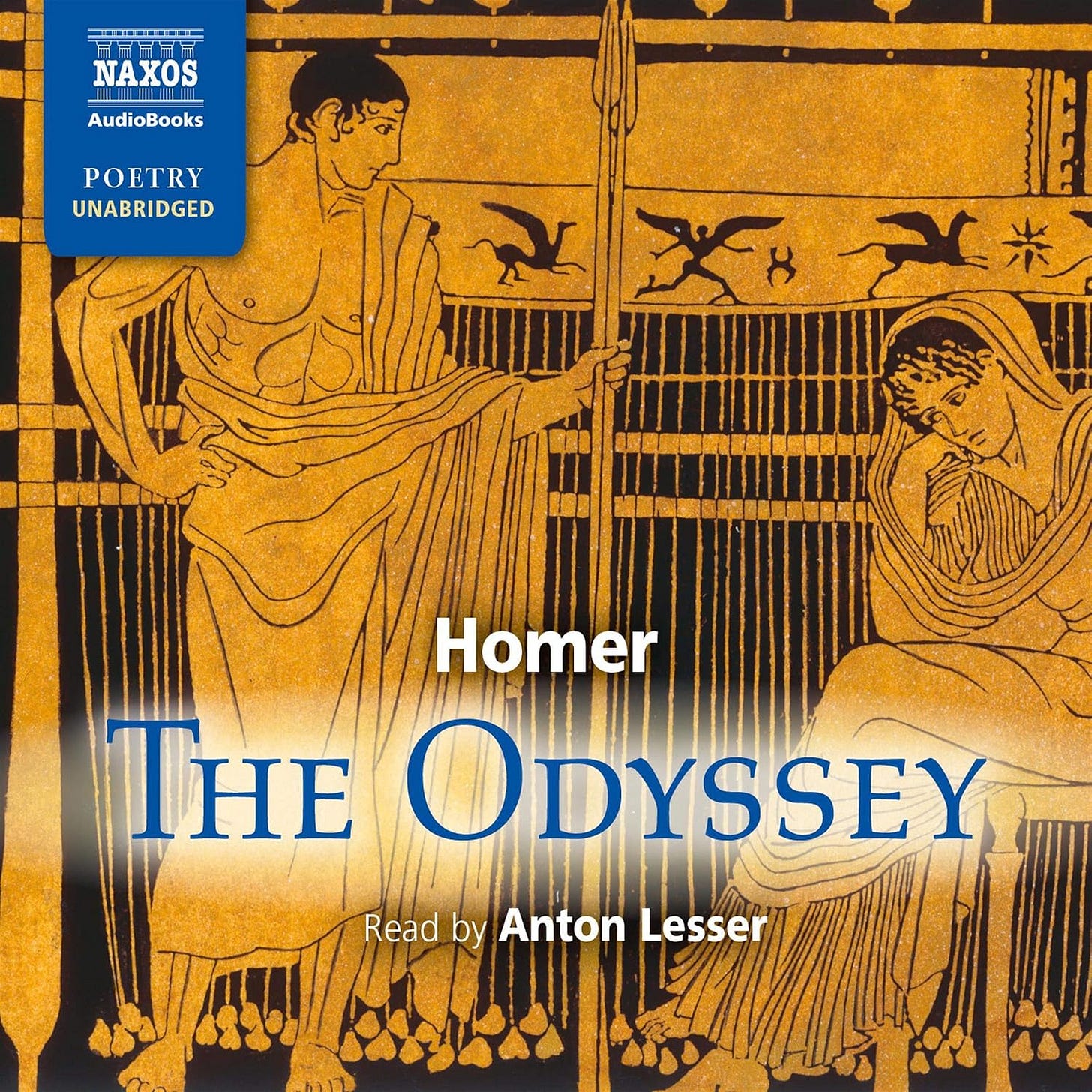
The Odyssey by Homer (trans. Ian Johnston) No, I didn’t read it because of the movie. I wanted to test a theory1 that came up during the lively debate surrounding that movie. What I got was a much more somber, more mature story than the Iliad, focused on a king trying to be a pirate. Odysseus knows how one should treat guests, but he’s living through the Bronze Age collapse. Every new post-apocalyptic island he visits - what are they going to do to him? What’s he going to do to them? 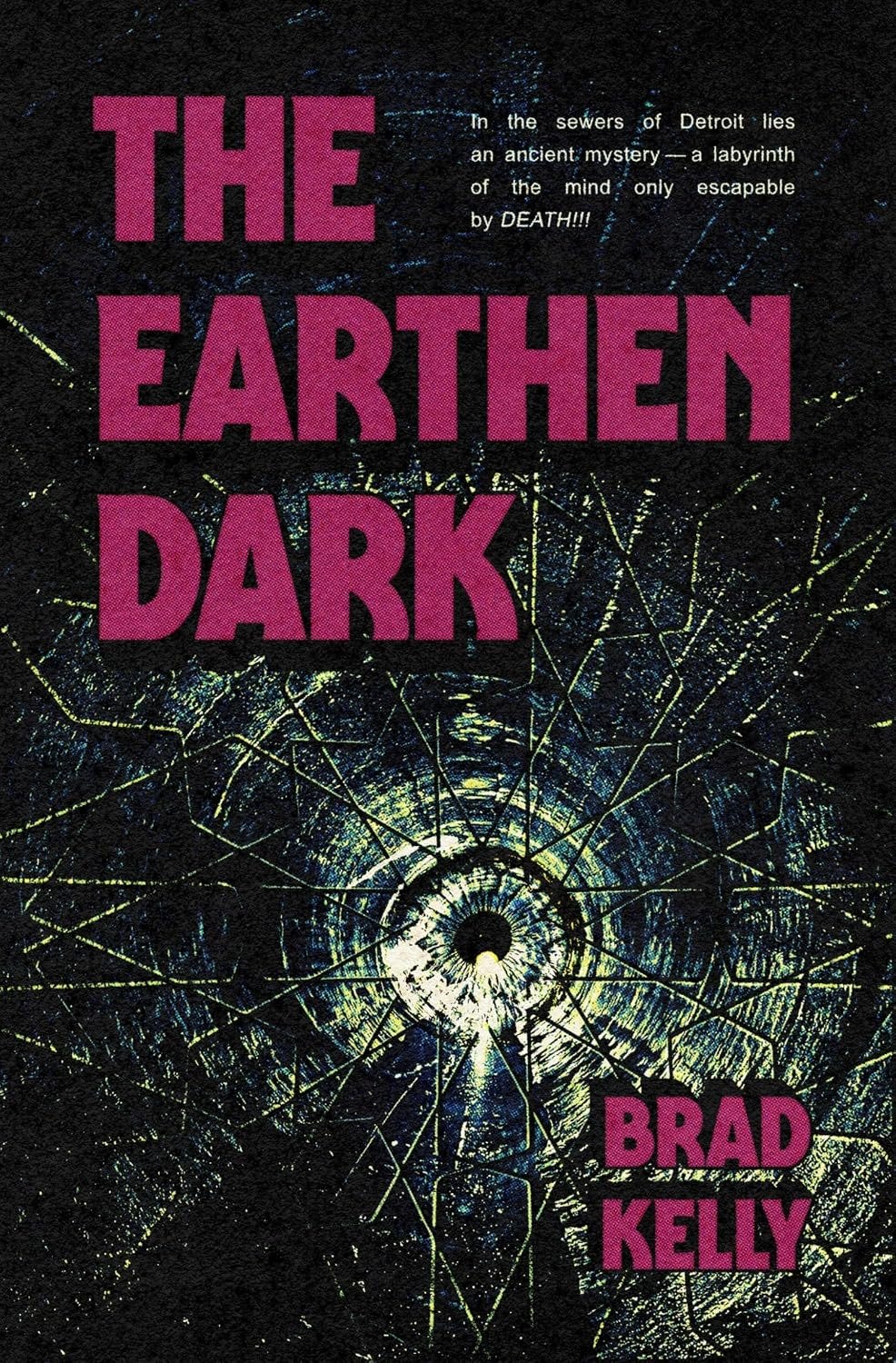
The Earthen Dark by Brad Kelly Jim Murray is an archaeology professor, or at least he was before he got canceled. Now he’s a week into his new job and a foot deep in sewage. He’s working for his wife. His daughter! She needs to go to a private school! They were going to buy a bigger house, have another child!! Oh, how could he have fallen so far? The Anasazi believed in a spider goddess who wove the world. That’s what he’d write in his scholarly book if he could ever write it. But he can’t, because he made a mistake, and he’s fallen out of the middle class! But what about that tall tale about a team of workmen who went missing down here, never to be seen again? What about the Spider’s Nest, and the daylight that shines from behind the crack in its walls? What about them? I read this in one sitting on a long flight. For twelve hours I labored down there in the sewers with Jim, worried about his family. My God, is it good. 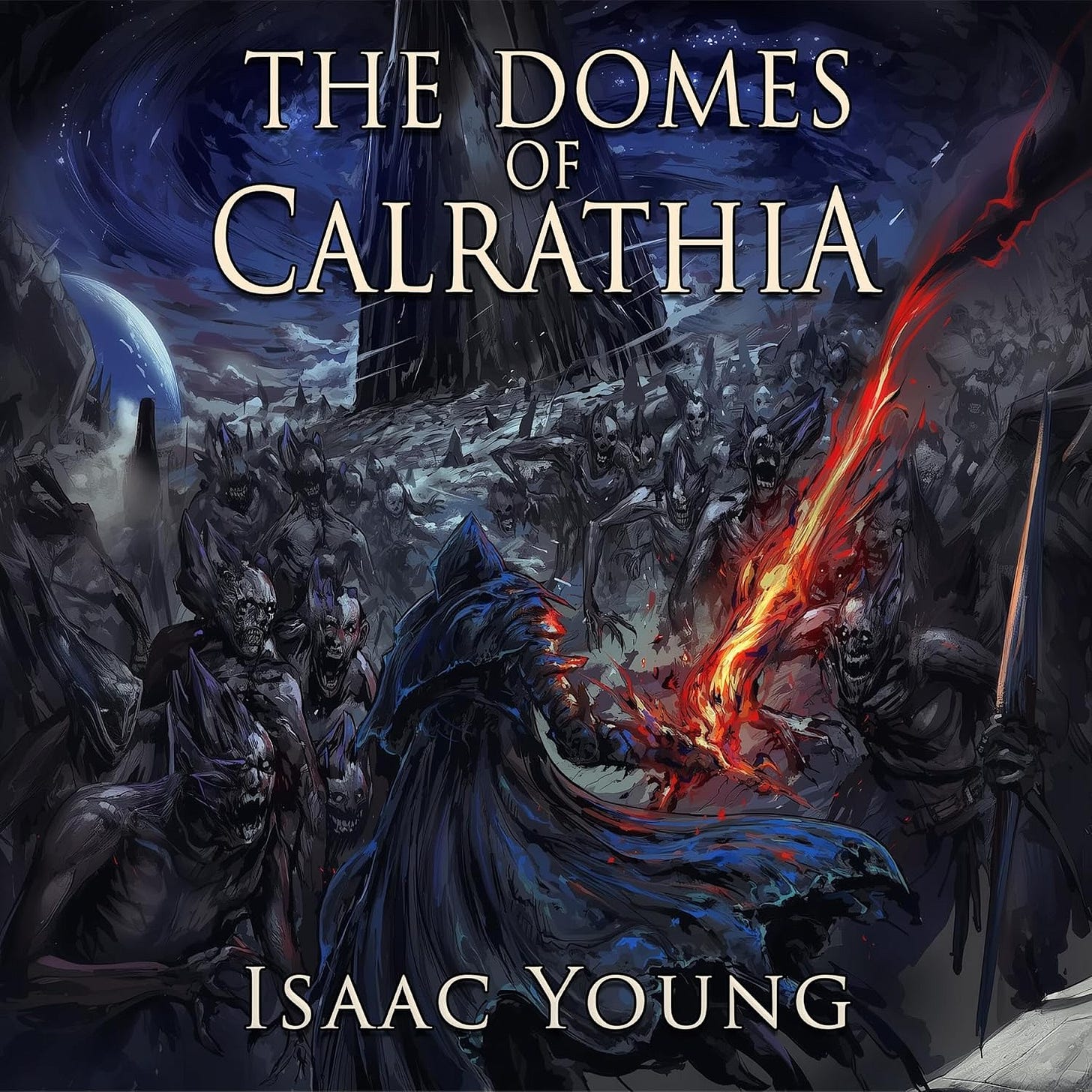
The Domes of Calrathia by Isaac Young I did a whole podcast about this one with The 13th Grade, which you can listen to here. It’s a first book: a pastiche of Gene Wolfe’s Book of the New Sun. Young read and loved it, poured his heart out in this homage, but as Severian instructed us, he needs to read the book again. That’s okay. Young just has a lot of work to do growing into the role he’s given himself. And speaking of Wolfe being a hard act to follow… 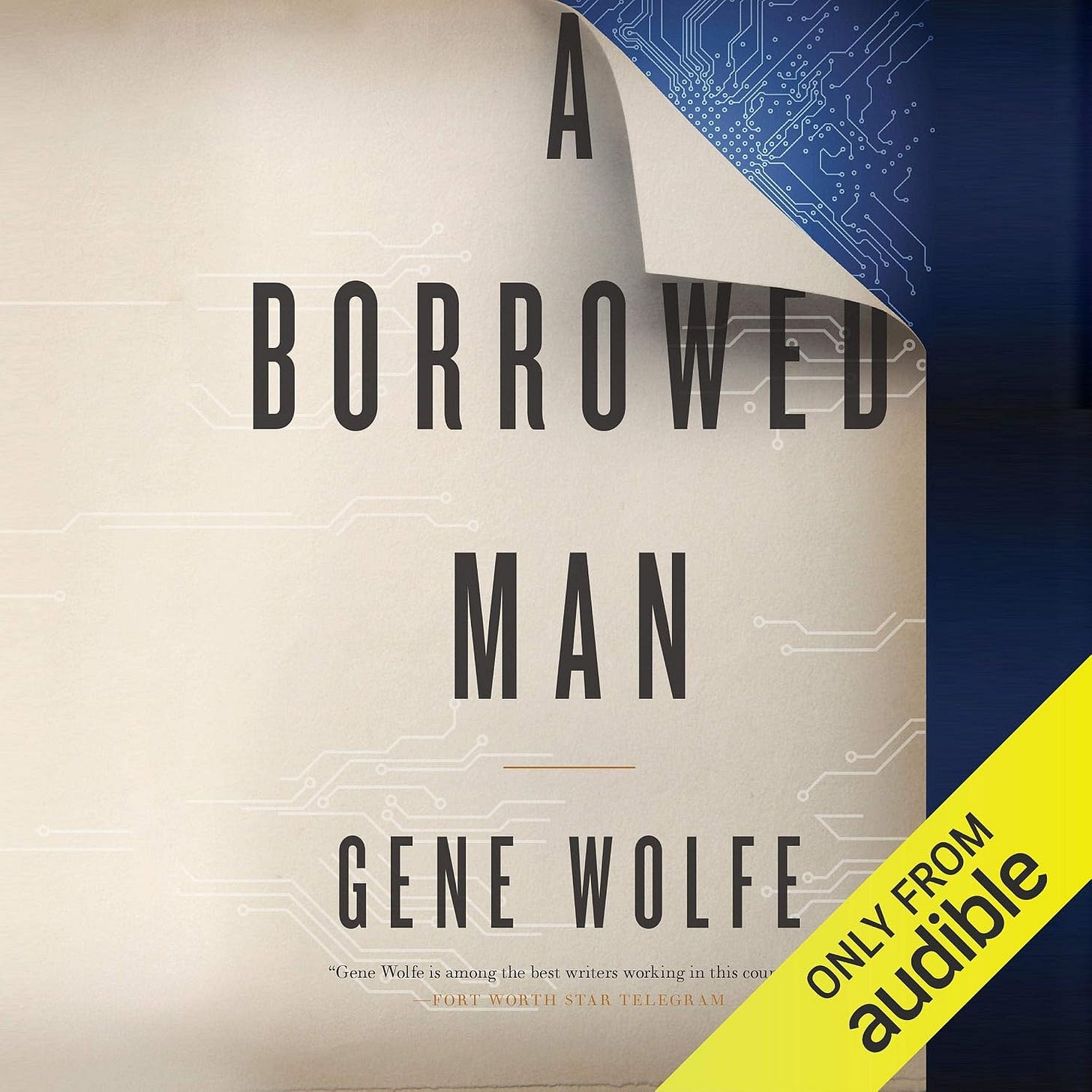
A Borrowed Man by Gene Wolfe This is one of Gene Wolfe’s last books, and it’s bad. He was playing his usual games with narration, and the basic plot was a decent murder mystery, but the premise was so dumb, I couldn’t continue. In the future, you can rent a “reclone,” a person cloned from a 21st-century author, his brain filled with that author’s work. You go to a “library” (= prison) where “books” (= people) live in their “shelves” (= cells) and “check out”... it’s all much too cute. The book never explains why reclones exist. In fact, it tells us the society of the future wants to keep the global population under a billion, and doesn’t like cloning because clones add to the number. So…what are we doing here? I quit the audiobook when the main character is riding cross-country with a trucker, who says something like: Gee whiz, I know they tell us you reclones aren’t real people, but you sure as shooting seem real enough to me. Shucks. That would have been a cogent addition to the national dialogue in the 1860s. Thanks, grandpa, but I didn’t need this whole allegory to know that slavery is wrong. And why the hell would a society expend all these resources on slaves who can answer your questions about books? We’ve got AIs for that. (By the way, Lois McMaster Bujold’s Mirror Dance features a much more interesting take on the rights of clones.) 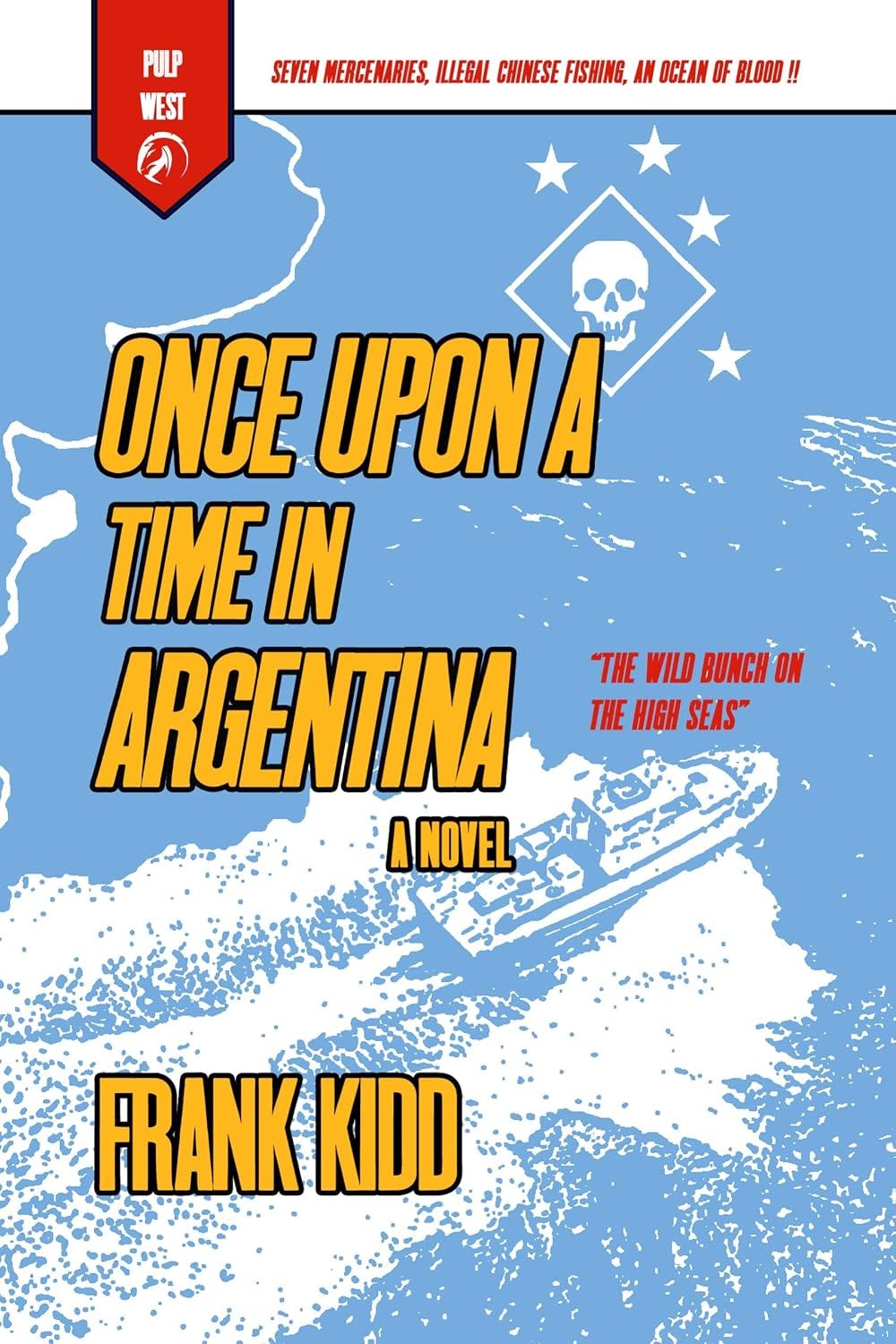
Once Upon a Time in Argentina by Frank Kidd Ryan McGowan is a man in a blob’s world. Discharged from the army for being too honorable, pushed out of his ludicrous office job, left by the girlfriend he wasn’t having sex with anyway (God, am I low-T??), he subsists on surfing, tending bar for a buddy, and punching other dudes in the face at the dive-gym. But then! He’s recruited by a mysterious badass to go be a privateer in the South Atlantic. Fight, drink beer, make friends with killer whales, it’ll be a fun time for everyone. All very…deniable. This is another book I did a whole podcast on. Go listen. 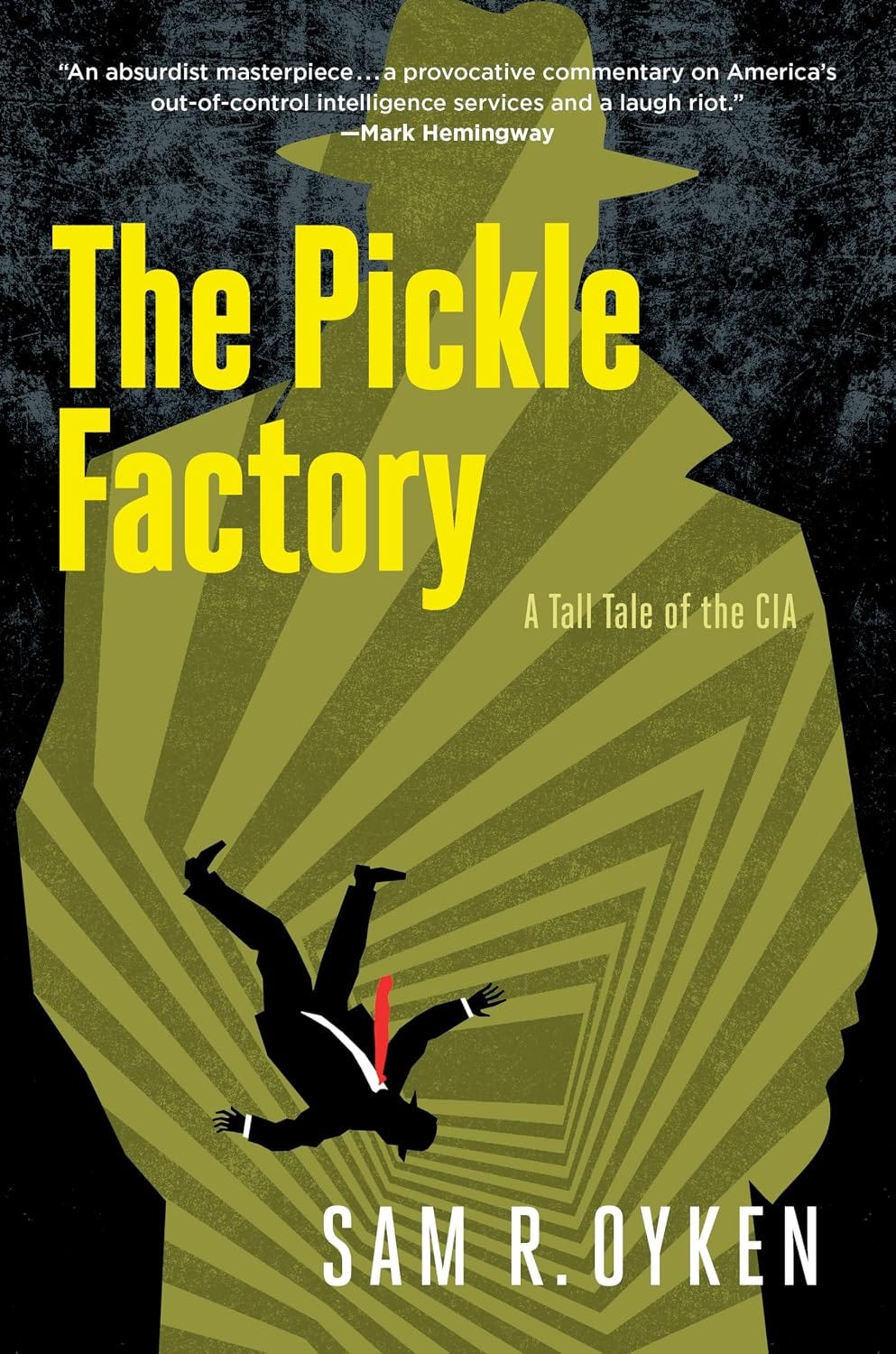
The Pickle Factory by Sam R. Oyken We get long humorous digressions about, e.g., where the spies’ code names come from, but after a while, I wanted somebody to do something. The plot is vestigial: a spy goes on a world tour to play an office/political game against his manager. Maybe that’s just not my cup of tea, but The Name of the Rose had a narrator who loved giving lists, too, and a strong spine of murder mystery under the atmosphere. The Pickle Factory’s spine is much weaker. There is this spy mission, but it fails to make me curious about the outcome. The stakes seem petty. I didn’t finish this one. 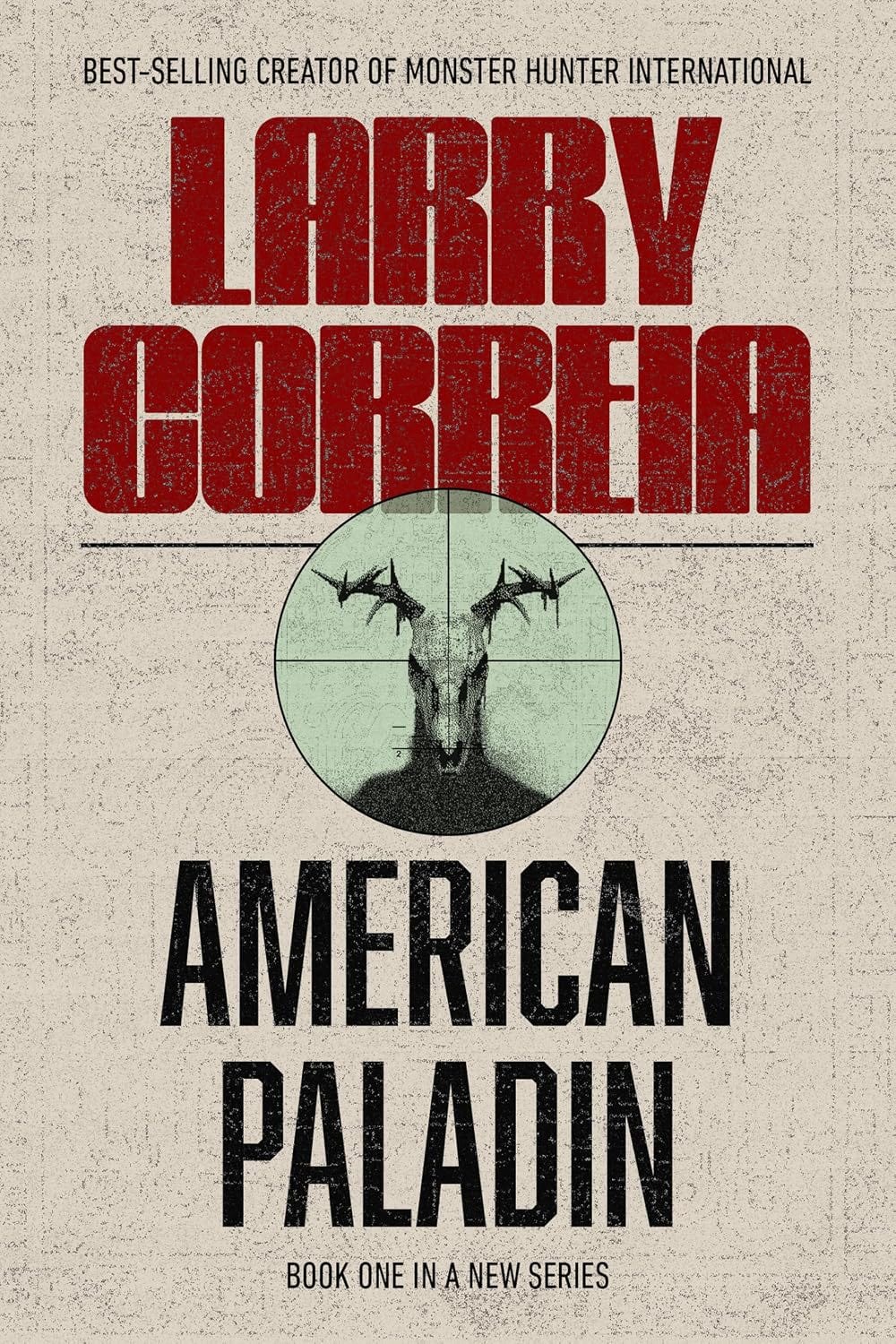
American Paladin by Larry Correia This book was a blast. Mike Spears (Jab! Thrust!) is just your average vigilante, working his way through the American West murdering pedophiles. But that’s just a sideline to his real work: finding a way back to the Mesoamerican shadow world that interpenetrates ours. Spears’s best lead is a woman who’s been marked by an evil god and shows up like a beacon to deep-cover warriors, half-demon shamans, and every folkloric monster in the county. Who Spears, of course, shoots. Fun times. 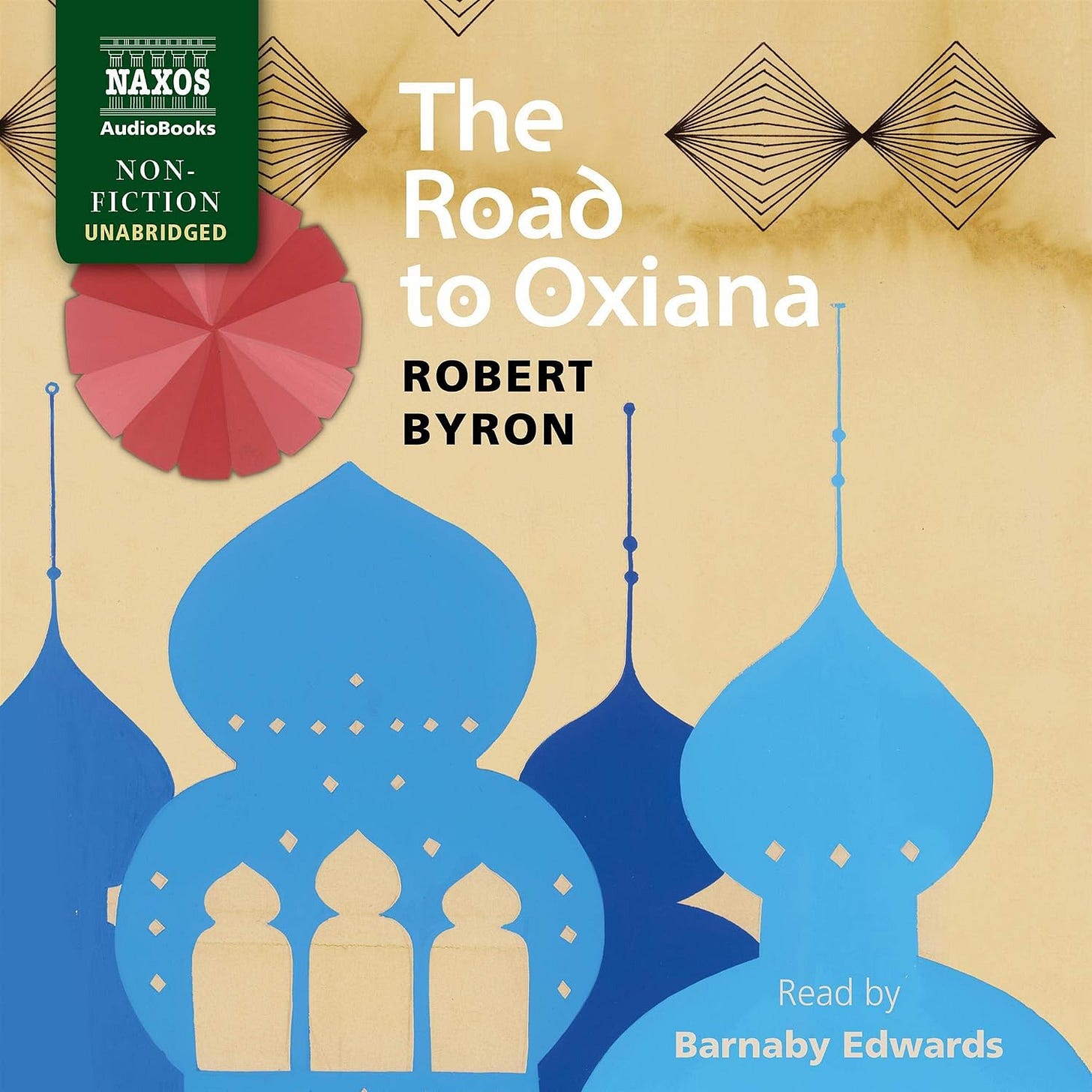
The Road to Oxiana by Robert Byron Another of my British guys wandering around mid-20th-century mid-East. Except this one is before WWII. It’s beautifully written, with asides both funny and architectural. Did you know that the “squinch” is a small arch or series of concentric arches built across the interior corner of two walls? Now you do. And now I know why they overthrew the Pahlavis: Reza Shah Pahlavi was trying to do what Atatürk did in Turkey, but with a fraction of the intelligence. Of course his subjects were pissed. Anyway, Newby’s Hindu Kush is funnier and more of a story, but Byron knew what he was doing, which I respect. See you next month 1. Specifically the “Cretan Lie,” described here by Roman Helmet Guy https://x.com/romanhelmetguy/status/2052241700219679208 It only works if the gods aren’t real, though, and where’s the fun in that? ↩
0 Comments
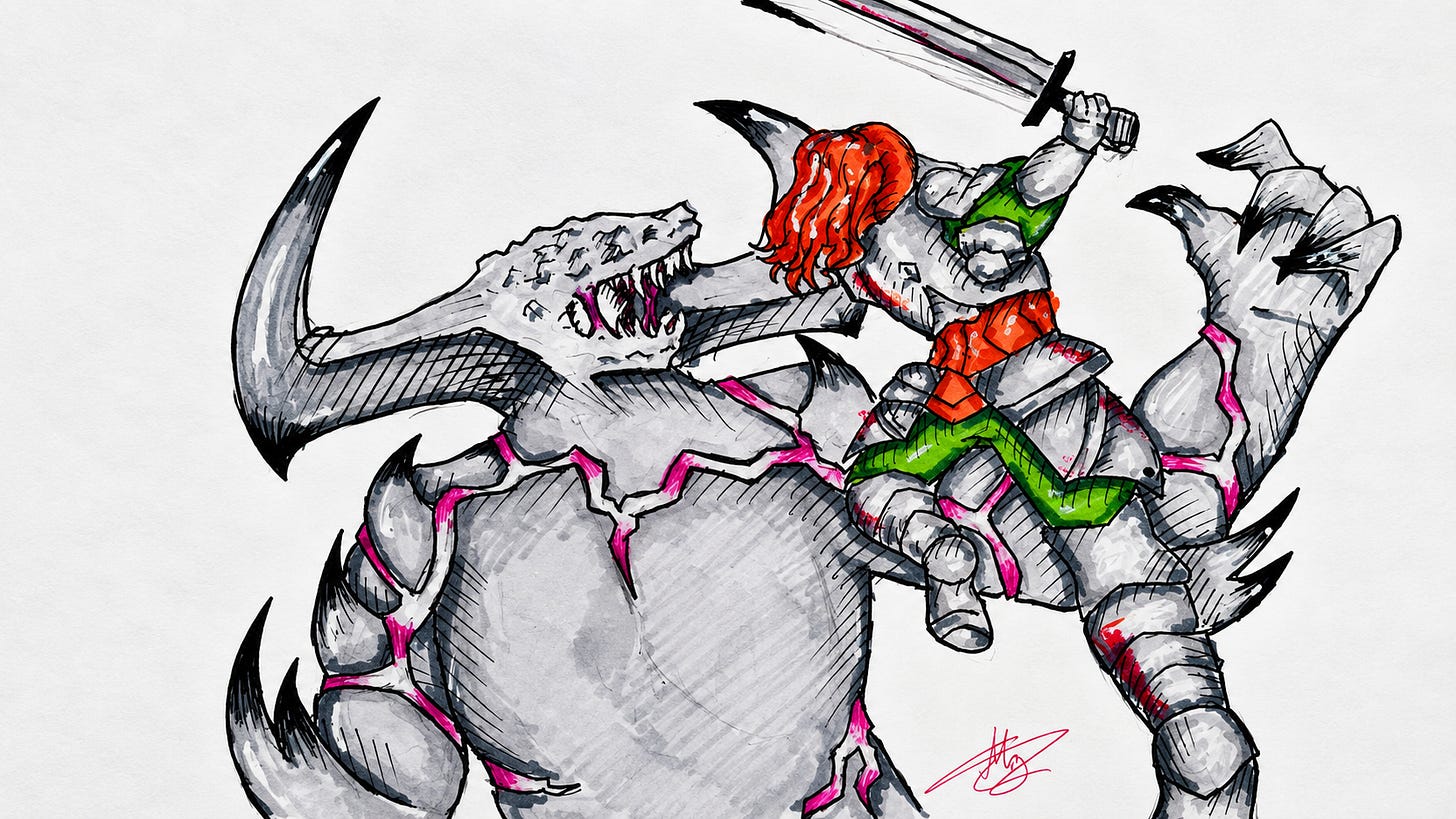
It was July and the cherry-plums were in season. I picked my way over the squashed fruit on the edge of the playground while my younger daughter, Ellie, built a little bridge of rocks between the sidewalk and a tree. She was pretending to be a kitten. In three years, it’ll be her registering at the high school. Signing a document shouldn’t take long, but Ellie and I were waiting for Pavlina and Maggie for at least twenty minutes. When they finally emerged, my older daughter’s face was blank. Pavlina told me they’d met some teachers. “They said, ‘You don’t need to look so scared. We haven’t even started on you yet.’” High schools in Bulgaria are a big deal. Five years, rather than four. Adults are more likely to hang out, work with, and be married to people they met at age fourteen than at their alma maters. The graduation ball (usually translated as “prom”) is a practice wedding. Your high school entrance exams are the single most important thing in your thirteen-year-old life. Pavlina set up Maggie’s regimen in the fall of her last year of middle school. Extracurricular Bulgarian and math classes every weekend, a series of practice books, an electronic test platform. “This means I won’t have a day off,” Maggie protested. “That’s how seventh grade is,” said Pavlina. “Your bal is half your grades in school and half your scores on your NVO.” That’s bal--final admissions score--and Natsionalno Vanshno Otsenyavane, or National External Assessment, pronounced “ne-ve-o.” When Maggie drew a picture of a girl in armor slaying a giant, horned, eyeless demon, I suggested she name him “Ba’al” or “Lord Neveos.” She thought that would be too on the nose. Maggie wanted to study German in high school. This would put her back in touch with her family’s roots, so shamefully abandoned by me and my father. She’d really learn German, too, in a year of high-intensity language study before another four years of the German secondary-school curriculum. But there were only two schools in Sofia that taught this way, and both would require a bal over 90%. Sofia’s high schools are not created equal. Some of them specialize in math and others in foreign languages. There are schools for art or music or tourism, and then there are the bad schools. I once taught English to a kid who just showed up on testing day without having studied and got sent to a school where, he told me, the teachers arrived twenty minutes late and yelled at the kids for the rest of the class. After he got into drugs, his parents put him in a seminary. That’s why I was enthusiastic about studying, but Maggie was less so. “I’m taking a break,” she said, sitting at the piano, practicing the opening to “Sweet Child o’ Mine.” “I need to de-stress.” Maggie’s finger-independent arpeggios improved noticeably, but her first mock exam in December came back with a score of 30%. “Okay, no piano or drawing until you’re done with your homework and your studying. Have you finished all your practice problems?” “Yes.” She hadn’t. On the second mock exam in March, she got 40%. “Okay! You study in the living room where we can see you. I check your answers. One hundred problems solved per week. Saturdays are mock exam days. Now, what about your grades in school?” My relatives back in the States didn’t like it. “It just seems like so much pressure.” “Her studying isn’t interfering with her art, is it?” “So you get into one of these ‘good schools.’ Does that guarantee a job?”1 “No,” I said. “It proves to Maggie that she can really do something.” I groped for specifics. “It’s not a game or a simulation. She has to learn that she can take on a challenge with real stakes and win.” “Pressure is good for you,” Pavlina added. We increased the pressure, and Maggie bore up under it. She had a list of schools she wanted, and her scores would admit her to none of them. Therefore, she had to discover that she liked winning more than she disliked working. The date of the final exams approached, and Maggie steadily forced her way forward while we pushed her from behind. “You see the mistakes you made were on the last problems. That’s because you were tired. You didn’t pace yourself.” On the day before the exam, we shut the books and took a walk, ate some cake, watched “10 Things I Hate About You.” When Maggie came out of the exam feeling confident, we celebrated. “No, I’m not drinking wine.” “Maggie, this is a tradition. Say cheers and drink one sip.” “Fine!” “Cheers!” “Cheers. I hate it.” The results came in, and Maggie had a high enough score to get into the Second German language school, but not the First. She had worked as hard as she could and fallen just a little short of perfection. I was actually glad, although I didn’t say so. If Maggie had gotten 100%, that would have proved nothing except that the exam was too easy. As it was, she knew her work was a compromise with chancy, unfair reality. And anyway the difference between the two schools’ acceptance cutoffs was like one point. After a year of development under pressure, Maggie’s art and music exploded. She filled the apartment with Classic Rock and her sketchbook with Original Characters. She roamed the city with her friends, buying jewelry at art bazaars and assembling an ensemble that drew admiring comments at Sofia’s anime convention. “What character are you cosplaying as?” “Myself.” 
Maggie’s outfit on the first day of school was a short, spring-green dress with a cutout over the solar plexus, bell-bottom jeans with Wild-West embroidery, butterfly glasses chains, earrings and necklaces of matching plasticine strawberries, occult rings, and a shawl. All of this stacked atop thick-soled Mary Janes that pushed her height up to six feet, taller than any boy in her class. “Granny-core,” I said. “Yeees.” Maggie grinned. “I want the other kids to feel strahopochit. That means ‘fear and worship.’” “Awe,” I translated. “As in ‘awesome.’” “I like ‘fear and worship’ better.” So, there Pavlina and I were on the First Day of School, back in the playground of the Second German high school with all the other mothers, fathers, brothers, and sisters. Our immediate neighbor was a baby in a stroller, whose face, composed mostly of cheeks, turned to my wife and briefly to me before a teenage girl stepped between us. She stood there, doing something with her phone, while the baby boggled, brows bunched and eyes tracking up, down. When the high-schooler walked off, the baby’s overbalanced head swung around, and her stroller quaked. Babies know who’s cool. “I remember when you were like that,” my wife said to my daughter. “No hair, but we strapped a bow on your head.” “Uf, mom. Why do you keep talking about babies?” “Because I’m still getting used to you! You know Ellie’s silicone babies with the squishy arms? Imagine one of those taking an entrance exam. Imagine sending the cat to high school.” “Let’s just go home,” Maggie grumbled. “No,” I said, “we’re going to lunch. What’s wrong? Don’t be scared of the teachers.” “Nobody talked to me!” Maggie’s eyes were red. “They talked to each other and looked at me and laughed, and I sat there and didn’t say anything like a loser.” She tipped toward me on her huge shoes, and I hugged her. “You were very intimidating,” I said. “So you had to talk to them. Be as brave as you are scary.” “Buh,” she said, but she felt better after lunch. The next day—in only slightly less avant-garde clothing—she made a friend. On the third day, a boy asked her out. “Was he annoying?” asked Ellie. “Did he poke you like this and say ‘go out with me go out with me go out with me’?” “Stop!” Maggie pushed her finger away. “I said ‘no,’ and he asked if I was gay.” Rite of passage: complete. 
Sorry for the lack of newsletters in July and August. I was in need of a real vacation. The good news is I got one and could write you something with more perspective. Our regular schedule will resume with the most interesting thing that happened to me in September. See you next month.
|
AuthorDaniel M. Bensen Archives
October 2026
Categories
All
|
 RSS Feed